Fashion and food enthusiasts, prepare to smile – today, we’ll be talking about Loewe’s delicious yet effective marketing approach; a blend of elegance and food.
A brief introduction to the luxury brand “Loewe”
Loewe is a Spanish luxury fashion house founded in Madrid in 1846, renowned for its exceptional leather craftsmanship and understated, modern aesthetic. Over the decades, the brand has evolved from a specialist leather atelier into a global luxury label offering ready-to-wear, accessories, and lifestyle pieces. Under the creative direction of Jonathan Anderson since 2013, Loewe has embraced a more artistic attuned identity, blending tradition with experimental design and bold craftsmanship that bridge fashion and its contemporary art.
Today, not only is Loewe celebrated for its iconic leather goods and innovative ideas, but it has gained the attention of millions worldwide since the brands integration and intended association with food.
Loewe’s Evolving Brand Identity
Loewe’s modern identity is defined by experimentation and cultural cross-pollination. Its brand world has grown through imaginative partnerships and immersive experiences.
The Paula’s Ibiza 2025 collections, for example, combine carefree island culture with luxury, supported by events in locations like Coco-by-day & Night restaurant at Dubai’s Palm Jumeirah, blurring the lines between travel, nightlife, and fashion.
All of this shows a brand that thrives not only through products but through atmosphere, mood, and sensory storytelling. Food becomes the next natural channel.
Loewe’s Fruit Spring/Summer 2018 Campaign

Luxury brands increasingly use food to create emotional connection — and Loewe has leaned into this trend thoughtfully.
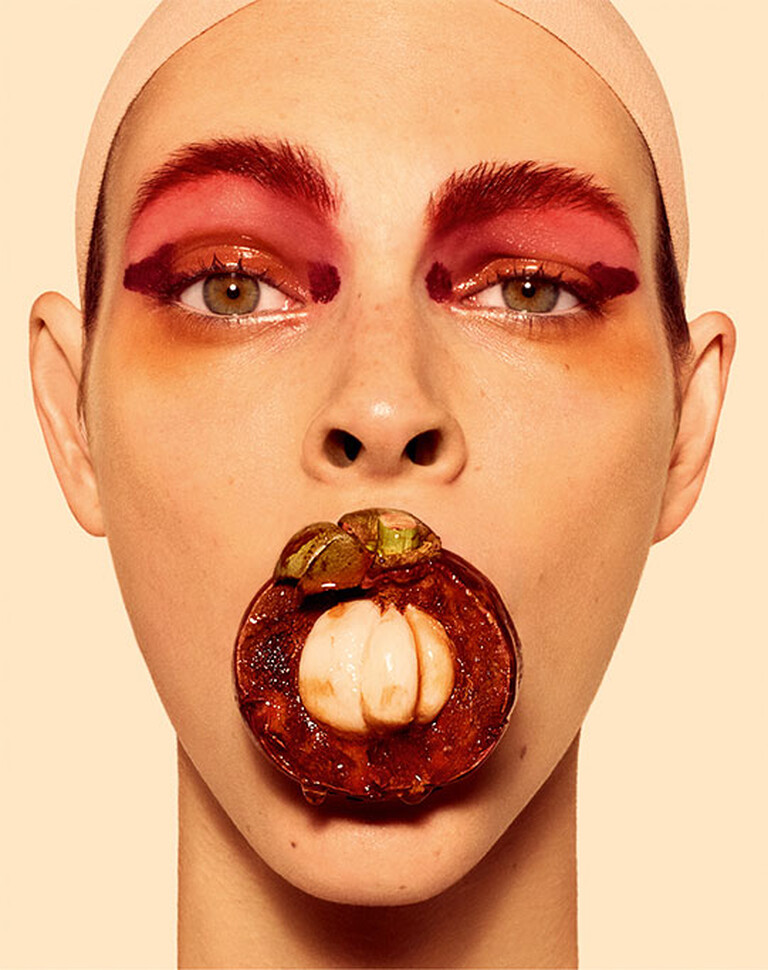
A prominent example of this can be seen in their SS18 Marketing Campaign. Featuring a series of the famous model Vittoria Ceretti posing with a variety of fruit, such as mangosteen, pomegranate, melons, in her hand/mouth, this ad campaign’s focus was entirely on colour, texture and the interplay between fruit and human form.
In interviews the brand said the series is “neither symbolic nor literal,” but an exercise in “reduction”, using minimalism and raw natural forms to evoke new meanings around taste, nature, artifice, desire.
The Tomato Moment – How a meme transformed into an iconic symbol
A year ago, Jonathan Anderson changed the fashion industry by taking internet culture and turned it into a tangible, high-fashion statement: the tomato clutch.
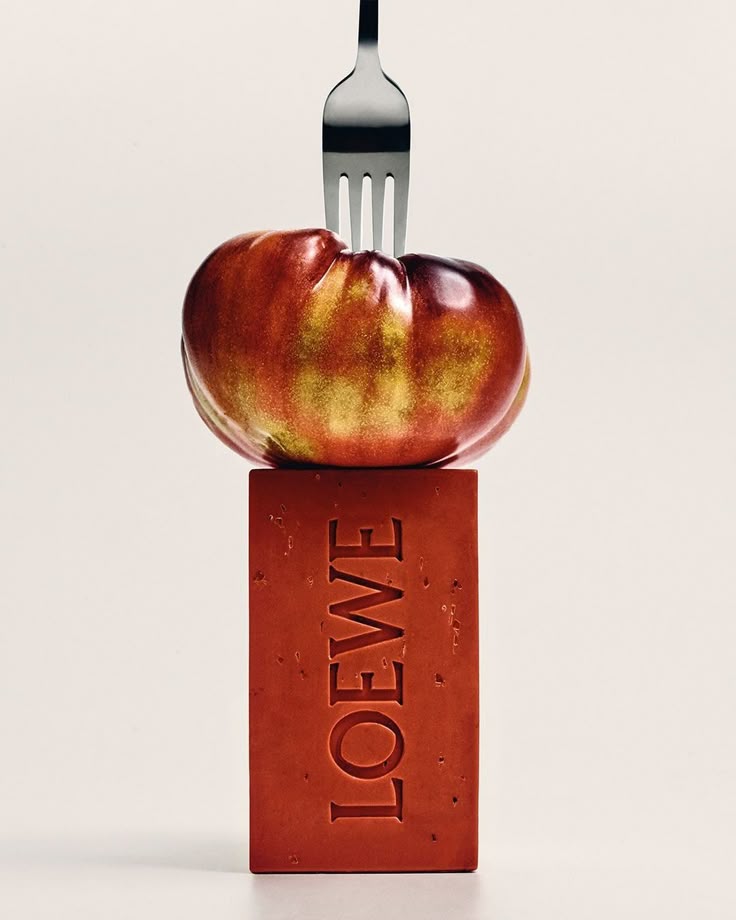
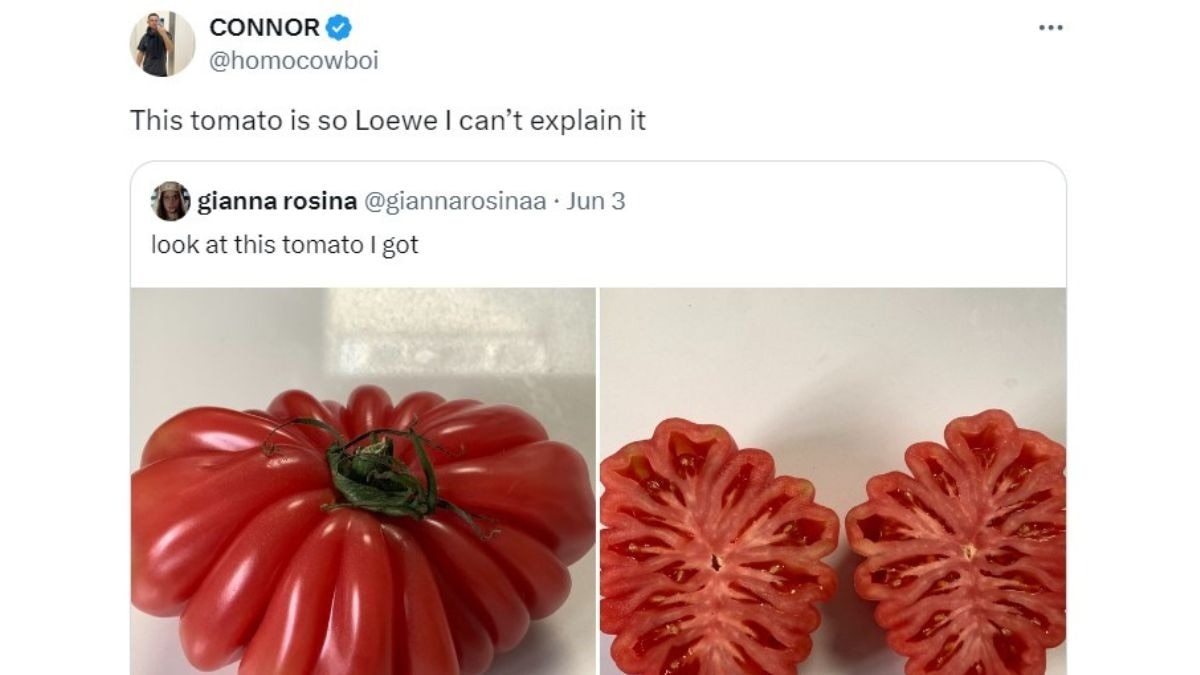
It all started innocuously on X (formerly Twitter), when a user posted a picture of a perfectly red heirloom tomato with the caption: “This tomato is so Loewe I can’t explain it.” The post quickly went viral. Users were either amused or wholeheartedly agreed that the humble fruit embodied the brand’s playful, artistic aesthetic. One comment caught everyone’s attention: “Don’t let Jonathan Anderson see this; he’s going to design a giant tomato purse that looks like that.”
Five days later, the prediction became reality. Jonathan Anderson shared a video unveiling a clutch that perfectly mirrored the tomato’s shape and color, complete with the sepal as its lock. The design is whimsical yet unmistakably luxurious: the clutch appears to feature leather construction, a gold stem, and the iconic Loewe logo prominently displayed on the clasp.
What makes this move iconic is not just the creativity, but the timing and execution. High-fashion brands rarely react so quickly to memes, but Loewe embraced the moment. By turning a viral joke into a limited-edition product, the brand demonstrates that luxury can be playful as well as culturally in tune with Gen Z and digital audiences.
The tomato clutch is a statement. It shows that Loewe is willing to blend pop culture, internet humour, and luxury craftsmanship. Campaigns like this make the brand Instagram-worthy, appealing to younger, digitally native customers while keeping longtime fans intrigued.
With this quirky drop, Loewe reinforces its reputation as a trend-forward, experimental luxury house. The tomato clutch proves that luxury doesn’t always have to be serious. Quite the opposite! It can be fun, unexpected, and viral-ready, all while maintaining its high-end allure.
When Vegetables Became Candles: Loewe’s Playful Take on Everyday Objects
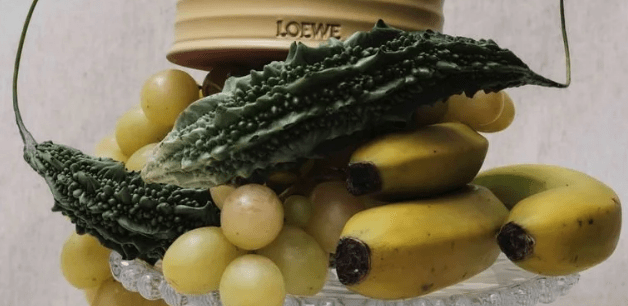
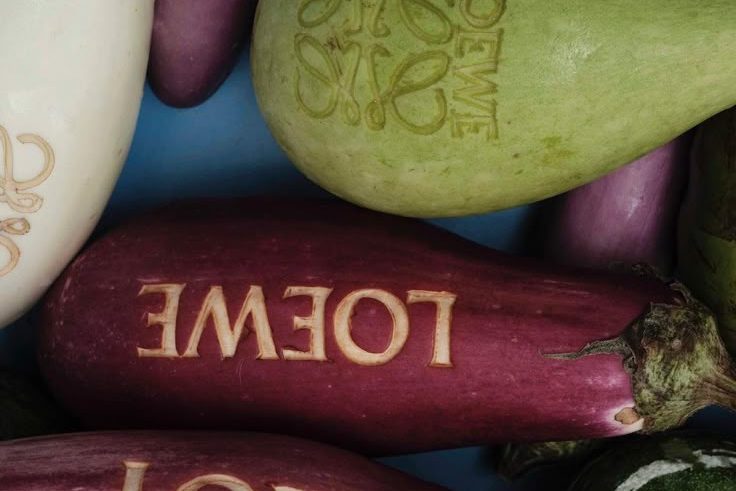
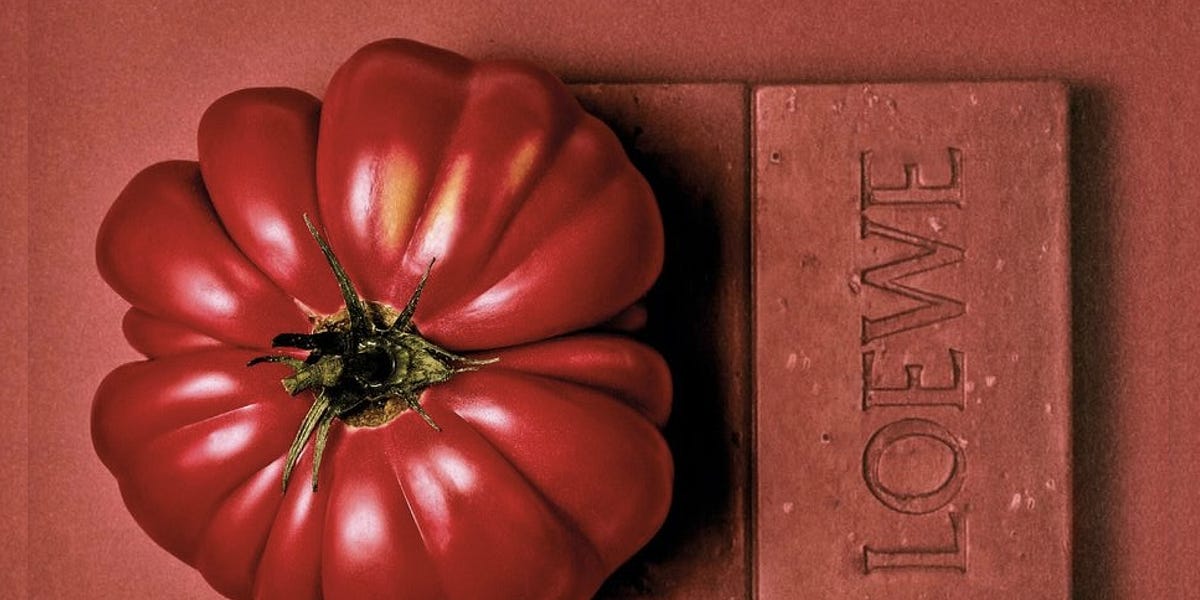
Loewe’s fascination with food extends beyond accessories and visual campaigns; it quite literally melts into their home fragrance line. The brand introduced candles shaped like vegetables, including eggplants, tomatoes, peppers, and beets, each embossed with the Loewe name. At first glance, these candles resemble freshly picked produce, but a closer look reveals the meticulous craftsmanship and surreal twist that have become synonymous with Jonathan Anderson’s creative direction.
By transforming humble vegetables into luxury candles, Loewe once again challenges conventional ideas of what high-end design should look like. Vegetables, typically associated with the everyday and the perishable, are reimagined as sculptural objects meant to be admired, collected, and displayed. The engraved Loewe logo reinforces the brand’s identity while playfully contrasting with the organic, imperfect shapes of the produce.
From a marketing standpoint, these candles exemplify Loewe’s shift toward concept-driven luxury. Rather than relying solely on traditional fashion drops, the brand expands into lifestyle products that feel artistic and culturally relevant. The vegetable candles are inherently shareable (perfect for social media) and they resonate deeply with Gen Z and millennial audiences who appreciate irony, design-led storytelling, and objects that blur the line between function and art.
In many ways, these candles set the stage for moments like the viral tomato clutch. They reflect Loewe’s broader strategy: turning the ordinary into the extraordinary, embracing humour and eccentricity, and proving that luxury today is as much about cultural conversation as it is about craftsmanship.
The Takeaway
Loewe’s use of food, from vegetable-shaped candles and viral tomato clutch to the fruit campaign with Vittoria Ceretti, reveals a marketing strategy that is both playful and deeply intentional. By elevating everyday, perishable objects into luxury artifacts, the brand challenges traditional ideas of exclusivity and seriousness in high fashion. Food becomes a visual language: familiar, tactile, and instantly relatable, yet reimagined through craftsmanship and design.
This approach allows Loewe to stay culturally relevant in a digital-first world. By engaging with memes, pop culture, and objects rooted in daily life, the brand fosters organic virality and emotional connection, particularly with Gen Z audiences. Rather than chasing trends, Loewe absorbs them, reshapes them, and transforms them into collectable moments of luxury. Ultimately, Loewe’s “food marketing” isn’t solely based around novelty, but rather it’s about storytelling and redefining what contemporary luxury can look like.

 The Market Lens
Leave a comment