
A recession is when your neighbor loses his job. A depression is when you lose yours.
Ronald Reagan
When economies falter, spending habits shift almost overnight. Households cut back, brands scramble to retain customers, and uncertainty dominates consumer decision-making. Yet amid shrinking budgets and cautious wallets, a surprising pattern emerges: some luxury brands continue to grow. While mass-market retailers struggle, high-end fashion houses, watchmakers, and automotive brands often remain remarkably resilient, challenging the assumption that luxury is the first casualty of a recession.
The Power of Scarcity and Craftmanship

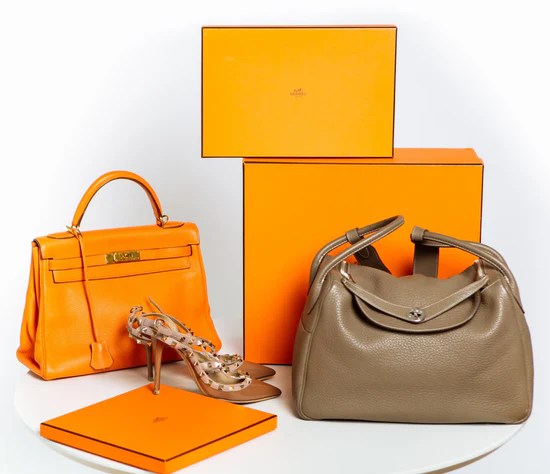
Hermès is often cited as the gold standard for recession-proof luxury. During multiple economic downturns, including the global financial crisis and more recent slowdowns, the brand has reported strong sales growth and record profits. Its success lies in deliberate scarcity and uncompromising craftsmanship.
Hermès produces its iconic Birkin and Kelly bags in limited quantities, with long waiting lists that can span years. Prices rarely decrease, and the brand avoids discounting entirely. This strategy ensures demand consistently outpaces supply, protecting both brand value and resale prices (even during economic contractions). In uncertain times, Hermès products are viewed less as fashion purchases and more as enduring assets.
Luxury as a Store of Value
Rolex demonstrates how luxury can function as an alternative investment during recessions. While many consumer goods depreciate the moment they are purchased, Rolex watches often retain or increase in value, particularly limited or steel sports models.
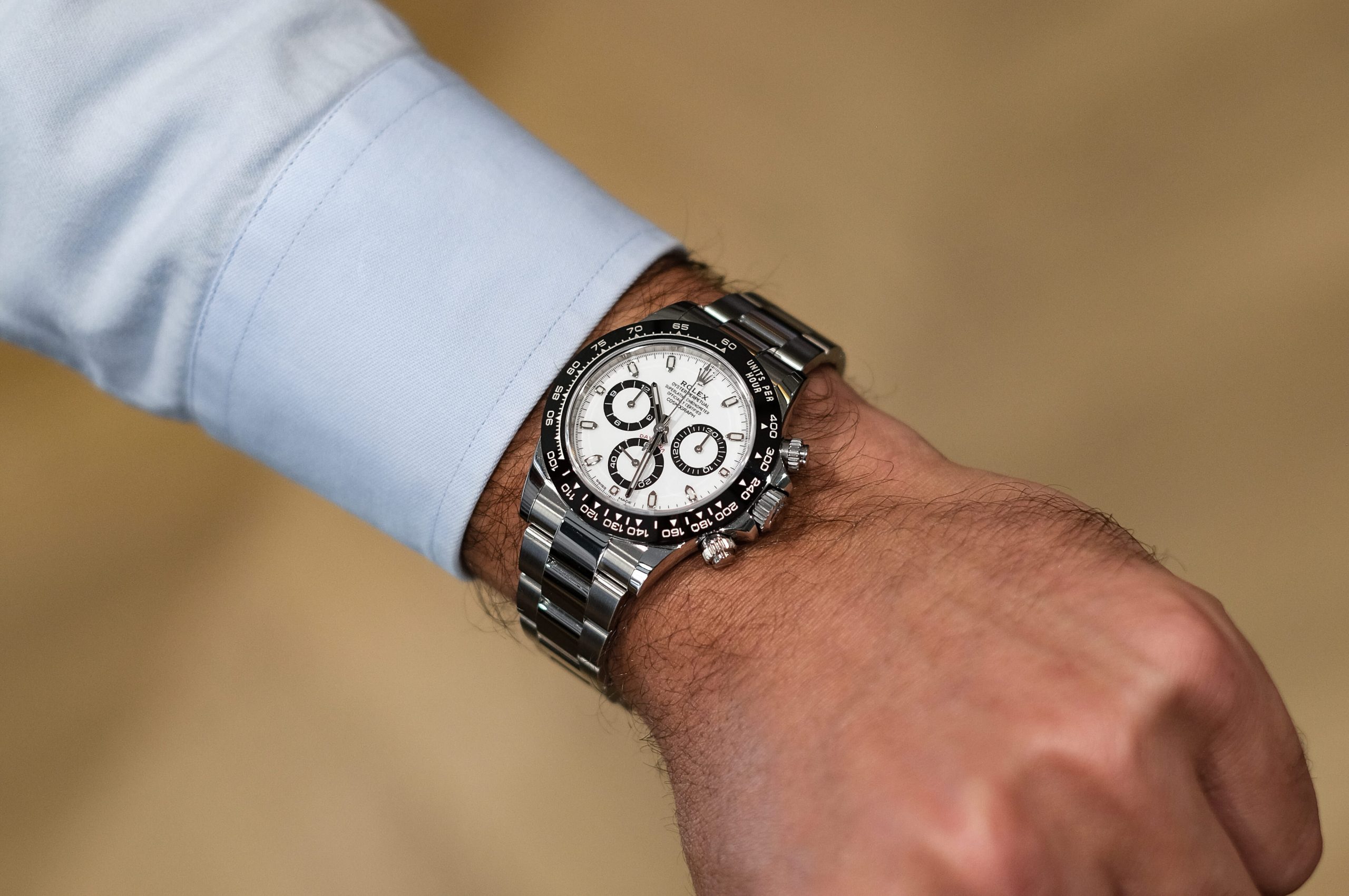
During economic downturns, buyers shift away from speculative investments and toward tangible goods with proven value retention. Rolex’s controlled production, tight distribution, and strong brand equity create a secondary market where demand frequently exceeds supply. This reinforces consumer confidence and drives continued interest even when discretionary spending slows elsewhere.
Brand Strength Over Price Sensitivity
Louis Vuitton offers a different lesson: scale combined with strong brand positioning. As part of LVMH, Louis Vuitton has consistently outperformed competitors during recessions by focusing on iconic products, timeless design, and global brand recognition.

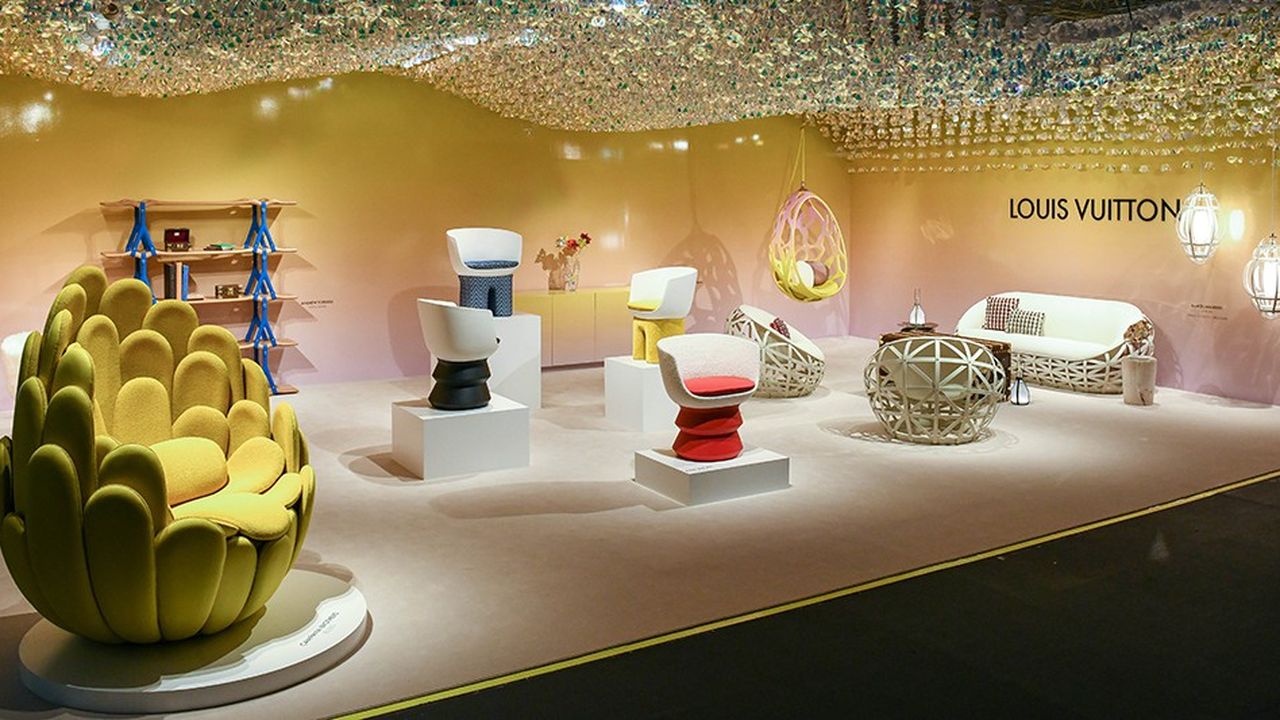
Rather than competing on price, Louis Vuitton strategically raises prices during inflationary or uncertain periods, reinforcing exclusivity rather than deterring buyers. Its core consumers are less price-sensitive, and the brand’s ability to blend heritage with modern relevance allows it to capture both established luxury buyers and aspirational consumers seeking status-signaling purchases.
Why These Brands Win When Others Struggle
What unites these case studies is not price point alone, but discipline. Each brand maintains strict control over supply, messaging, and distribution. They resist short-term tactics like discounting or overexpansion, choosing instead to protect long-term brand equity.
In recessions, this discipline becomes a competitive advantage. While mass-market brands chase shrinking demand, luxury leaders double down on what makes them desirable: scarcity, storytelling, and trust.
Final Thoughts
Recessions expose weak business models, but they also highlight strong ones. Luxury brands that thrive during downturns understand that their value lies beyond products. They sell confidence, continuity, and cultural capital. For consumers with the means to spend, luxury becomes less about excess and more about certainty.
 The Market Lens
Leave a comment